

How to Cook With Pepper Jelly: 10 Easy Techniques
The easiest way to cook with pepper jelly is to stop thinking of it only as a condiment. Pepper jelly can function as a glaze, sauce base, vinaigrette ingredient, sandwich spread, dip, finishing sauce, vegetable glaze, breakfast condiment, pastry filling or dessert topping.
The key is knowing when to add it and what job you want it to perform.
Because pepper jelly contains sugar, it can caramelize beautifully—but it can also scorch if exposed to very high heat for too long. In many recipes, the best approach is to add it during the final stage of cooking or use it as a finishing ingredient.
Here are 10 practical techniques we use to turn a jar of pepper jelly into much more than an appetizer.
10 Ways to Cook With Pepper Jelly at a Glance
| Technique | Best For | Basic Approach |
|---|---|---|
| Glaze | Chicken, pork, salmon, shrimp | Brush on near the end of cooking. |
| Pan sauce | Chicken, pork, steak | Stir a spoonful into pan juices with acid or stock. |
| Vinaigrette | Salads, roasted vegetables | Whisk jelly with vinegar or citrus and oil. |
| Dip | Crackers, vegetables, wings | Blend or layer with creamy or savory ingredients. |
| Sandwich spread | Burgers, chicken, turkey, ham | Use alone or mix with mayo or mustard. |
| Finishing sauce | Pizza, grilled foods, roasted vegetables | Warm slightly and drizzle after cooking. |
| Vegetable glaze | Brussels sprouts, carrots, squash | Toss with a small amount near the end of roasting. |
| Breakfast condiment | Eggs, sausage, biscuits, sandwiches | Use as a finishing spread rather than cooking it heavily. |
| Pastry filling | Pinwheels, thumbprints, puff pastry | Use a restrained amount with cheese or pastry. |
| Dessert topping | Ice cream, cheesecake, chocolate | Use a small amount to create sweet-heat contrast. |
1. Use Pepper Jelly as a Glaze
Glazing is one of the most useful ways to cook with pepper jelly.
The sugar creates shine and caramelization, while the peppers add flavor and heat.
It works especially well with:
- Chicken
- Pork chops
- Pork tenderloin
- Salmon
- Shrimp
- Meatballs
- Wings
The important part is timing.
Don't coat raw meat heavily in pepper jelly at the very beginning of high-heat grilling and expect the glaze to behave like a dry seasoning. The sugars can darken or burn before the protein is finished.
A better technique: cook the protein most of the way, brush on the pepper jelly during the final few minutes, then allow it to become glossy and lightly caramelized.

For a simple glaze, start with:
- 2 tablespoons pepper jelly
- 1 teaspoon vinegar, citrus juice or soy sauce
Warm just enough to loosen the jelly, then brush it onto the food near the end of cooking.
Try Southwestern Chipotle with pork, Caribbean Mango with chicken or salmon, or Habanero with wings.
2. Turn Pepper Jelly Into a Pan Sauce
One spoonful of pepper jelly can completely change the pan drippings left after cooking chicken, pork or steak.
After removing the meat from the pan:
- Reduce the heat.
- Add a splash of stock, wine, vinegar or citrus juice.
- Scrape up the browned bits.
- Stir in a spoonful of pepper jelly.
- Simmer briefly until the sauce reaches the consistency you want.
You now have a quick sweet-savory pan sauce without starting from scratch.
For richer sauces, finish with a small amount of butter after removing the pan from direct heat.
This technique works particularly well because the browned meat provides savory depth while the pepper jelly contributes sweetness, acidity and pepper flavor.
3. Make Pepper Jelly Vinaigrette
Pepper jelly can replace part of the sweetener you might otherwise add to a salad dressing.
A simple starting formula is:
- 1 tablespoon pepper jelly
- 1 tablespoon vinegar or fresh citrus juice
- 3 tablespoons olive oil
- Salt and pepper to taste
Whisk until emulsified.
Then adjust the ratio to suit your salad.
You can add:
- Dijon mustard
- Fresh herbs
- Garlic
- Shallot
- Lemon or lime zest
Try Cranberry or Pomegranate Pepper Jelly with:
- Arugula
- Spinach
- Goat cheese
- Apples or pears
- Walnuts or pecans
Jalapeño Pepper Jelly can work in a lime-forward dressing for grilled corn, cabbage or Southwestern-style salads.
4. Build Better Pepper Jelly Dips
Pouring pepper jelly over cream cheese is a classic because it works.
But that's only the starting point.
You can create very different dips by combining pepper jelly with:
- Cream cheese
- Goat cheese
- Sour cream
- Greek yogurt
- Mayonnaise
- Mustard
For example:
Creamy pepper jelly dip
- 4 ounces softened cream cheese
- 2 tablespoons pepper jelly
- 1 tablespoon sour cream or Greek yogurt
Blend until smooth and adjust the pepper jelly to taste.
Serve with crackers, vegetables, pretzels or toasted bread.
If you want more variations, see our Pepper Jelly Dip Guide.
5. Turn Pepper Jelly Into a Sandwich or Burger Spread
One of the easiest ways to use pepper jelly more often is to treat it like mustard, mayonnaise or chutney.
Use a thin layer on:
- Turkey sandwiches
- Ham sandwiches
- Grilled chicken
- Burgers
- Roast beef
- Breakfast sandwiches
- Grilled cheese
If straight pepper jelly feels too sweet or too hot, dilute it into another condiment.
Try:
Pepper jelly mayo: 1 part pepper jelly + 2 parts mayonnaise
Pepper jelly mustard: 1 part pepper jelly + 1 part Dijon mustard
Spicy burger sauce: pepper jelly + mayo + Dijon

Cranberry works naturally with turkey. Southwestern Chipotle works well with burgers and grilled meat. Jalapeño can add more chile character to chicken or breakfast sandwiches.
6. Use Pepper Jelly as a Finishing Sauce
You don't always need to cook pepper jelly into the food.
Sometimes it works better after cooking.
Warm it slightly so it becomes easier to drizzle, then use it over:
- Pizza
- Flatbread
- Grilled chicken
- Roasted vegetables
- Fried chicken
- Salmon
- Breakfast bowls
This technique gives you maximum control because everyone can choose how much sweetness and heat they want.
It also protects the jelly from prolonged high heat.
We use this approach extensively in our Pepper Jelly Pizza & Flatbread Guide.
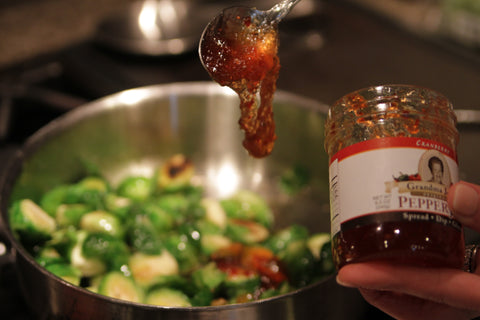
7. Glaze Roasted Vegetables
Pepper jelly isn't only for meat.
It can give roasted vegetables an easy sweet-savory finish.
Try it with:
- Brussels sprouts
- Carrots
- Sweet potatoes
- Butternut squash
- Cauliflower
- Green beans
Roast the vegetables normally until they're nearly done.
Then toss with a small amount of pepper jelly and return them to the oven briefly.
You can also combine the jelly with:
- Balsamic vinegar
- Lemon juice
- Mustard
- Olive oil
A little acidity usually keeps the glaze from tasting overly sweet.
8. Use Pepper Jelly at Breakfast
Breakfast is one of the easiest meals to overlook when thinking about pepper jelly.
But eggs, cheese, sausage and bacon all work naturally with sweet heat.
Try pepper jelly:
- On an egg-and-cheese sandwich
- With sausage biscuits
- On breakfast tacos
- With scrambled eggs and cheddar
- On a breakfast flatbread
- Mixed lightly into cream cheese for bagels

Traditional is an easy all-purpose choice. Jalapeño works when you want more chile flavor. Cranberry can be especially good with breakfast sandwiches that include turkey or ham.
Explore more ideas in our Breakfast & Brunch Pairings Guide.
9. Use Pepper Jelly in Pastries and Baked Appetizers
Pepper jelly works particularly well with pastry because butter, cheese and sweet heat create strong contrast.
Good applications include:
- Puff pastry pinwheels
- Baked Brie
- Goat cheese tartlets
- Thumbprint cookies
- Mini savory pastries
The key is restraint.
Too much jelly can leak out during baking or make pastry soggy.
Use a small amount, especially when combining it with cheese.
For puff pastry:
- Spread a thin layer of pepper jelly.
- Add cream cheese or goat cheese.
- Roll or fold the pastry.
- Chill briefly if needed for easier slicing.
- Bake according to the pastry instructions.
Fruit-forward flavors such as Cranberry and Pomegranate work particularly well here.
10. Use Pepper Jelly in Dessert
Sweet-and-spicy desserts work best when the pepper jelly remains an accent rather than taking over the dish.
Easy ideas include:
- Vanilla ice cream with a small spoonful of pepper jelly
- Cheesecake topped with Cranberry or Pomegranate Pepper Jelly
- Chocolate cake with Habanero Pepper Jelly
- Pound cake with cream cheese and pepper jelly
- Fruit tarts finished with a light pepper jelly glaze
Cold dairy is especially useful because it creates a strong contrast with chile heat.
If you're experimenting with Habanero in dessert, start small. The goal is usually to create an interesting chile-and-chocolate or sweet-and-heat contrast—not turn dessert into a spice challenge.
How to Choose the Right Grandma Jones Flavor for Cooking
Grandma Jones currently makes eight Pepper Jelly flavors. Each lends itself to different cooking techniques.
| Flavor | Tasting Category | Best Cooking Directions |
|---|---|---|
| Traditional | Mild | Breakfast, chicken, pork, cheese, sandwiches, general glazing |
| Caribbean Mango | Mild | Chicken, shrimp, salmon, tropical sauces, desserts |
| Southwestern Chipotle | Medium | Pork, beef, burgers, barbecue, roasted vegetables, pizza |
| Habanero | Hot | Wings, burgers, salmon, spicy dips, chocolate desserts |
| Cranberry Habanero | Hot | Turkey, pork, Brie, meatballs, holiday appetizers |
| Cranberry | Mild | Turkey, salads, sandwiches, vegetables, Brie, desserts |
| Pomegranate | Mild | Vinaigrettes, goat cheese, crostini, vegetables, desserts |
| Jalapeño | Medium | Breakfast, burgers, tacos, dips, pizza, chicken |
Our mild, medium and hot descriptions are practical tasting categories rather than laboratory-measured Scoville ratings for the finished products.
Browse all eight Grandma Jones Pepper Jelly flavors.
5 Mistakes to Avoid When Cooking With Pepper Jelly
1. Adding It Too Early Over High Heat
Sugar can burn. When grilling or broiling, use pepper jelly primarily toward the end of cooking.
2. Using Too Much
Pepper jelly can dominate delicate food. Start with a smaller amount and add more if needed.
3. Forgetting Acid
If a sauce or glaze tastes too sweet, vinegar, lemon or lime can often bring it back into balance.
4. Treating Every Flavor the Same
Caribbean Mango and Southwestern Chipotle should not automatically be used in exactly the same dishes. One brings fruit; the other brings smoke.
5. Focusing Only on Heat
Heat is only part of the ingredient. Consider sweetness, fruit, smoke, acidity and the flavor of the pepper itself.
How Much Pepper Jelly Should You Use?
There isn't one universal measurement, but these are useful starting points:
- Sandwich: 1–2 teaspoons
- Single serving glaze: 1 tablespoon
- Pan sauce for two: 1–2 tablespoons
- Vinaigrette: about 1 tablespoon per 3 tablespoons oil
- Creamy dip: 2–4 tablespoons per 8 ounces cream cheese
- Dessert: start with 1–2 teaspoons per serving
These aren't rigid recipes. They're starting points that let you increase sweetness or heat gradually instead of trying to fix a dish after you've added too much.
Frequently Asked Questions
Can you cook pepper jelly?
Yes. Pepper jelly works well in glazes, sauces, vinaigrettes, dips and other cooked preparations. Because it contains sugar, watch the heat and avoid prolonged direct exposure to very high temperatures.
When should I add pepper jelly while cooking?
For glazes, add it primarily near the end of cooking. For pan sauces and dressings, it can be mixed in during preparation. For pizza, sandwiches and many appetizers, it often works best as a finishing ingredient.
Can pepper jelly be used as a marinade?
It can be part of a marinade, but pepper jelly's sugar makes it especially useful as a finishing glaze. If using it in a marinade for food that will be cooked over high heat, avoid leaving a thick sugary coating exposed to direct heat for the entire cooking time.
How do you thin pepper jelly for a glaze?
Warm it gently and add a small amount of liquid such as vinegar, citrus juice, soy sauce, stock or water until it reaches the consistency you want.
What meat goes best with pepper jelly?
Chicken and pork are among the easiest matches, but pepper jelly also works with beef, turkey, salmon, shrimp and meatballs. The best choice depends on the jelly flavor.
Can pepper jelly be used on vegetables?
Yes. Brussels sprouts, carrots, sweet potatoes, squash, cauliflower and green beans can all work with a pepper jelly glaze or vinaigrette.
Can pepper jelly be used for breakfast?
Yes. It pairs naturally with eggs, cheese, bacon, sausage, biscuits, breakfast sandwiches and breakfast tacos.
Can pepper jelly be used in desserts?
Yes. Small amounts can work with vanilla ice cream, cheesecake, chocolate, pound cake and fruit-based desserts. Fruit-forward and hotter varieties create very different results.
The Bottom Line
Cooking with pepper jelly becomes much easier once you stop treating every application like the classic cream-cheese appetizer.
Use it as a glaze when you want shine and caramelization. Turn it into a pan sauce when you want something fast. Whisk it into vinaigrette, mix it into sandwich spreads, glaze vegetables with it or use a small amount to create sweet heat in dessert.
The technique matters as much as the flavor.
For a larger collection of individual ideas, see 101 Ways to Use Pepper Jelly. For organized recipe categories, visit our Pepper Jelly Recipe Library. And for a broader cooking reference, explore Cooking With Pepper Jelly.