
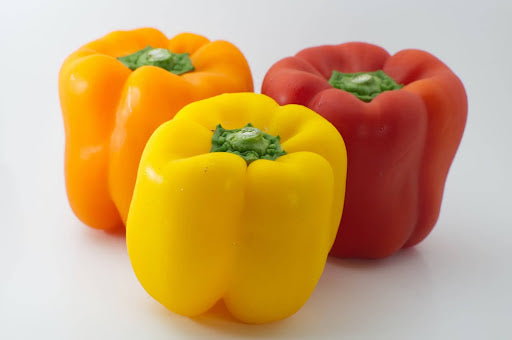
Peppers vs. Pepper Jelly: Nutrition and Health Claims
Fresh peppers and pepper jelly are different foods. A pepper's nutrient content does not establish the amount of vitamins or other nutrients in a spoonful of finished jelly. Enjoy pepper jelly for its sweet, tangy pepper flavor, and use the current product label to assess its nutrition.
What Can a Jar's Label Tell You?
Begin with the serving size, then check total carbohydrate, total sugars and added sugars for that amount. If you use twice the labeled serving, the nutrient amounts double too. Compare equal portions when choosing between condiments. An ingredient list tells you what went into a food; it does not tell you the quantity of a vitamin in a serving.
The FDA's Nutrition Facts guide explains how serving sizes and nutrient amounts work. Added sugars are included in total sugars, so do not add those two figures together. Product recipes and labels can change; check the jar you actually have.
Why Fresh-Pepper Facts Do Not Transfer to Jelly
A serving of jelly contains several ingredients and is typically used in a different quantity from a serving of fresh vegetables. Pepper variety, ingredient proportions and processing also differ. A percentage quoted for raw bell pepper cannot be reused as a percentage for pepper jelly.
We do not have evidence that a serving of Grandma Jones' Pepper Jelly prevents eye disease, slows memory loss or supplies a particular vitamin percentage. Those are not reasons to choose a flavor. Research about isolated compounds or laboratory animals does not demonstrate those effects from eating this condiment.
Use Flavor to Build a Meal You Enjoy
A measured spoonful can add contrast to roasted vegetables, a bean sandwich or a cheese-and-cracker plate. Measure the jelly before mixing it into a sauce so you know how much the finished dish contains. Divide that amount by the number of portions rather than treating the entire sauce as one serving.
- For vegetables, start with a small amount of jelly and loosen it with a little water or vinegar to distribute the flavor.
- For sandwiches, spread a thin layer and add the vegetables or protein you prefer.
- For a shared platter, put the jelly in its own bowl so guests can choose their portion.
These are serving ideas, not a claim that adding jelly changes the nutritional quality of an entire meal. The other ingredients and the portions still matter.
Choose Heat by Preference
Grandma Jones' qualitative mild group includes Traditional, Caribbean Mango, Cranberry and Pomegranate. Jalapeño and Southwestern Chipotle are medium; Habanero and Cranberry Habanero are hot. These are tasting categories, not laboratory Scoville measurements or nutrition rankings. More heat does not establish a greater health benefit.
Use Find Your Flavor for the lineup. For a closer look at serving sizes and labels, see our pepper jelly nutrition guide. When shopping, compare current labels in the pepper jelly collection and choose for flavor and your own dietary needs.
