
Grandma Jones’ Homemade Pepper Jelly Recipe
This homemade pepper jelly recipe comes from the Grandma Jones family tradition that eventually became Grandma Jones' Pepper Jelly. It combines sweet green bell peppers, red pepper flakes, sugar, vinegar, and pectin to create the sweet, tangy, peppery flavor our family has been sharing for decades.
Long before Grandma Jones' Pepper Jelly was sold online or appeared on QVC, Pepper Jam was something Grandma made for family and friends.
One of the lessons she passed down to us was simple: good food brings people together.
That's why we've always loved sharing ways for people to cook with pepper jelly—and why we're sharing the home recipe we've historically published on PepperJelly.net.
Important food-safety note: The recipe below is presented as a refrigerated homemade pepper jelly. It should not be assumed to be a tested shelf-stable canning formula. If you want to preserve pepper jelly at room temperature using a boiling-water canner, use a laboratory-tested recipe such as the National Center for Home Food Preservation's Golden Pepper Jelly recipe and follow its processing instructions exactly.
Grandma Jones' Homemade Pepper Jelly Recipe
| Style | Sweet and mildly spicy pepper jelly |
| Main Pepper | Green bell pepper |
| Heat | Mild, with red pepper flakes for warmth |
| Storage | Refrigerated |
| Best Uses | Cheese, crackers, sandwiches, dips, sauces and glazes |
Ingredients
- 6 cups granulated sugar
- 1 1/2 cups white wine vinegar
- 1 tablespoon red pepper flakes
- 1 cup diced green bell pepper
- 1 pouch liquid fruit pectin, such as Certo

How to Make Homemade Pepper Jelly
- Wash the peppers thoroughly. Remove the stems and finely dice the green bell pepper by hand or with a food processor.
- Prepare clean jars or refrigerator-safe containers. Because this version is intended for refrigerated storage rather than shelf-stable canning, you do not need to treat this as a boiling-water canning process.
- Combine the peppers and vinegar. Add the diced green bell pepper, red pepper flakes, and white wine vinegar to a heavy saucepan.
- Simmer the pepper mixture. Bring it to a gentle simmer and cook for approximately 10 minutes, stirring periodically.
- Add the sugar. Stir in the granulated sugar and continue heating until the sugar is completely dissolved.
- Bring the mixture to a strong boil. Stir frequently so the sugar does not scorch on the bottom of the pan.
- Add the liquid pectin according to the manufacturer's directions. Different pectin products can call for slightly different timing, so follow the package instructions for the liquid pectin you are using.
- Finish cooking the jelly. Once the pectin has been incorporated and the mixture has completed the boil specified by your pectin manufacturer, remove the saucepan from the heat.
- Transfer the hot jelly carefully. Ladle it into clean heat-safe jars, leaving room at the top.
- Cool and refrigerate. Allow the jars to cool, cover them, and store the homemade pepper jelly in the refrigerator.
Do not use these refrigerator directions as instructions for shelf-stable home canning. Shelf-stable pepper jelly requires a tested formulation, proper jar preparation, the correct headspace, and boiling-water processing appropriate for your elevation.

Why Pepper Jelly Works
Pepper jelly looks simple, but several ingredients are doing different jobs at the same time.
Sugar
Sugar provides the sweetness that makes pepper jelly so distinctive. In traditional jelly formulations, it also plays an important role in gel formation.
Vinegar
Vinegar contributes the tartness that keeps the jelly from tasting like plain sugar. In tested canning recipes, the specified amount and acidity of vinegar can also be critical to preservation safety.
Pectin
Pectin creates the network that gives jelly its characteristic spreadable texture.
Peppers
The peppers provide much more than heat. Bell peppers contribute fresh, slightly sweet pepper flavor, while hotter peppers can introduce grassy, smoky, fruity, floral, or intensely spicy characteristics.
You can learn more about how those ingredients interact in our Science of Pepper Jelly guide.
How Spicy Is This Pepper Jelly?
This version is deliberately on the milder side.
Green bell peppers contain no meaningful chile heat, so most of the warmth comes from the red pepper flakes.
That's one reason this style works so well as an introduction to pepper jelly: you get the sweet, tart, savory character of the condiment without making extreme heat the main event.
If you're trying to understand the difference between jalapeño, chipotle, habanero and milder peppers, see our Pepper Jelly Heat Guide.
Working Safely With Hot Peppers
If you eventually experiment with hotter peppers in a refrigerated batch, take a few basic precautions.
- Wear disposable or reusable food-preparation gloves when cutting very hot peppers.
- Avoid touching your face or eyes while handling them.
- Wash your hands, knives, cutting boards, and work surfaces thoroughly afterward.
- Remember that much of a chile pepper's capsaicin is concentrated in the pale internal tissue around the seeds—not in the seeds alone.
For shelf-stable canning, however, do not simply add more peppers or fruit to this recipe. Changing the amounts or types of low-acid ingredients can change the safety of a canned product. Use a tested canning recipe designed for the ingredients you intend to preserve.
Can I Make It Hotter?
If you're making a batch that will remain refrigerated, you have much more freedom to experiment with flavor.
You might explore peppers such as:
- Jalapeño
- Serrano
- Chipotle
- Habanero
But hotter doesn't automatically mean better.
Different peppers contribute completely different flavors. Jalapeño is bright and vegetal. Chipotle is smoky. Habanero is much hotter but also distinctly fruity and floral.
That's part of what eventually led Grandma Jones beyond Traditional Pepper Jelly into flavors such as Jalapeño, Southwestern Chipotle, Habanero, and Cranberry Habanero.
Can I Add Fruit?
For a refrigerated jelly, fruit opens up another world of flavor.
Mango, cranberry and pomegranate can all create interesting contrasts with peppers.
That's exactly the kind of experimentation that led to several Grandma Jones varieties, including:
- Caribbean Mango
- Cranberry
- Cranberry Habanero
- Pomegranate
Again, there's an important distinction between experimenting with a refrigerated recipe and changing a shelf-stable canning formula. If you alter a canning recipe by adding fruit, peppers or other ingredients, you cannot assume the original processing instructions remain safe.
Want to Can Pepper Jelly for Shelf-Stable Storage?
For shelf-stable home canning, we recommend using a scientifically tested pepper jelly recipe rather than adapting this family refrigerator recipe.
The National Center for Home Food Preservation's Golden Pepper Jelly recipe is a tested option.
Its formulation uses sweet peppers, hot peppers, 5% vinegar, sugar and liquid pectin, followed by hot filling and boiling-water processing. Processing time changes with elevation.
The National Center also specifically advises:
- Do not reduce the amount of vinegar in its tested recipe.
- Fill the hot jelly into hot jars rather than waiting for the jelly to cool before applying lids.
- Process filled jars in a boiling-water canner.
- Refrigerate jelly after a sealed jar has been opened.
Those details matter because home canning is different from simply making jelly and putting it into a jar.
For more, visit our Pepper Jelly Canning & Storage Guide.
How to Use Homemade Pepper Jelly
Making it is only half the fun.
Pepper jelly may look like a traditional preserve, but we've always treated it as much more than something to spread on toast.

1. Pepper Jelly With Cream Cheese
Spoon pepper jelly over a block of cream cheese and add crackers. It may be the easiest pepper jelly appetizer ever created, and there's a reason it has lasted for generations.
2. Cheese and Charcuterie Boards
Pair it with Brie, cream cheese, cheddar, goat cheese, smoked cheeses, meats, crackers and fruit.
See our Pepper Jelly Cheese & Cracker Pairing Guide.
3. Meat Glazes
Warm pepper jelly and use it as the foundation of a glaze for chicken, pork, beef or seafood.
4. Sandwiches and Burgers
A thin layer of pepper jelly can replace an ordinary sweet condiment while adding acidity and pepper flavor.
5. Sauces and Dips
Combine pepper jelly with ingredients such as mustard, BBQ sauce, soy sauce or creamy cheeses to create quick sauces and dips.
For a bigger list, explore 101 Ways to Use Pepper Jelly.
Don't Feel Like Making It?
We completely understand.
The reason Grandma's family recipe eventually became a business is that people kept wanting more of it.
Today Grandma Jones' Pepper Jelly is available in eight flavors:
- Traditional
- Jalapeño
- Caribbean Mango
- Cranberry
- Cranberry Habanero
- Habanero
- Pomegranate
- Southwestern Chipotle
Shop all eight Grandma Jones' Pepper Jelly flavors or use our Find Your Flavor guide if you're not sure where to start.
Frequently Asked Questions
What is pepper jelly made from?
Traditional pepper jelly generally combines peppers, sugar, vinegar and pectin. The peppers provide flavor and heat, sugar supplies sweetness, vinegar adds acidity and tang, and pectin creates the gel structure.
What kind of peppers are best for pepper jelly?
That depends on the flavor and heat you want. Bell peppers create a mild base, jalapeños add moderate heat, chipotles add smoke, and habaneros provide much more intense heat along with a fruity flavor.
Do I need pectin to make pepper jelly?
Most traditional pepper jelly recipes use commercial pectin because peppers themselves do not provide the same natural pectin levels as some fruits. The pectin helps the jelly form a predictable gel.
Can I reduce the sugar?
Not casually in a traditional pectin recipe. Sugar plays a role in gel formation as well as flavor. If you want a lower-sugar version, use a pectin designed specifically for low- or no-sugar recipes and follow an appropriate formula. See our Sugar-Free Pepper Jelly Guide.
Can I can this Grandma Jones recipe for room-temperature storage?
We do not recommend treating this family refrigerator recipe as a tested shelf-stable canning formula. For home canning, use a tested recipe from the National Center for Home Food Preservation or another university-extension or USDA-based source and follow the recipe and processing instructions exactly.
Can I add jalapeños or habaneros?
You can experiment with peppers in a recipe that will be kept refrigerated. For shelf-stable home canning, use a tested formulation that allows the pepper substitution or combination you want rather than improvising ingredient quantities.
What's the easiest way to eat pepper jelly?
Spoon it over cream cheese and serve it with crackers. It's simple, takes only a minute to assemble, and lets you immediately taste the balance of sweet, tangy and spicy flavors.
A Recipe That Became a Family Business
Grandma Jones didn't begin making Pepper Jam because she planned to build a food company.
She made it because she enjoyed cooking for the people around her.
Years later, her grandsons took that family recipe and turned it into a business. Pepperjam.com began taking orders in the late 1990s, and Grandma Jones' Pepper Jam eventually reached a national audience through QVC.
But the part we care about most hasn't changed.
It still begins with Grandma's recipe and the idea that good food is meant to be shared.
Read The History of Pepper Jelly & Grandma Jones for the full family story.
Food-Safety Source
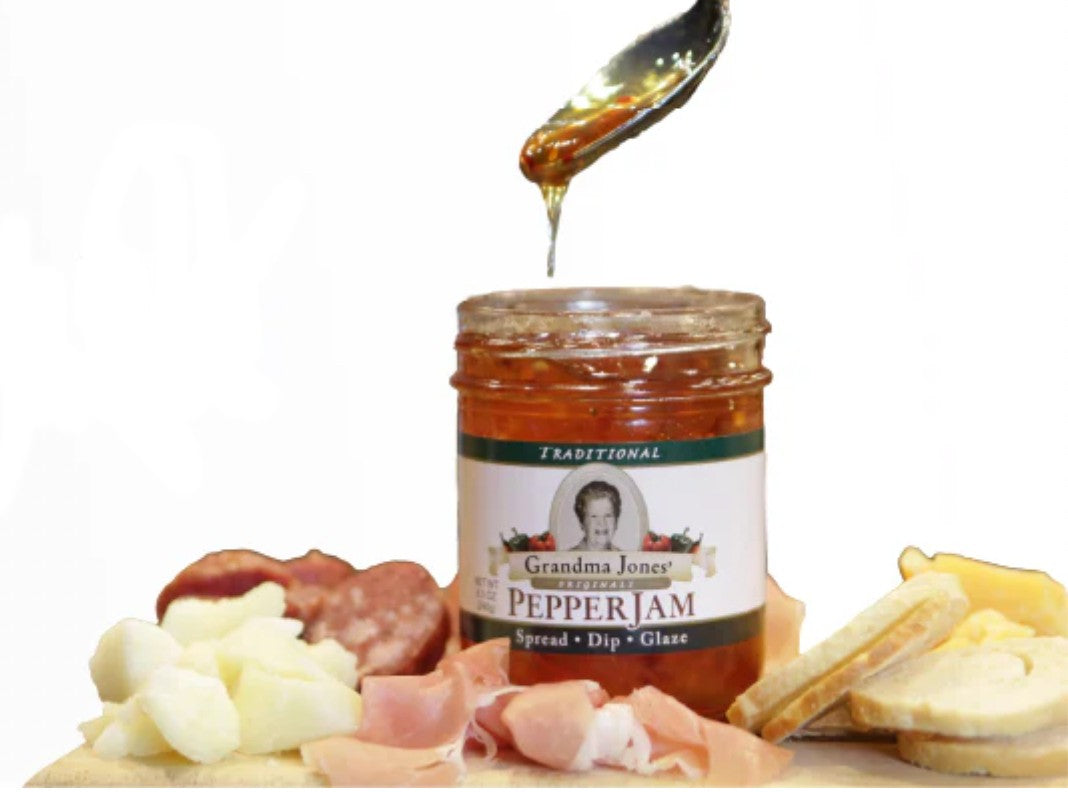
A Secret Recipe Exclusively for Family and Friends
From her home on the corner of Seminary Place and Murray Street in Forty Fort, Pennsylvania Marcia Jones (Grandma Jones) hosted countless family gatherings, holiday dinners, and bridge club get-togethers with friends. While food was always plentiful and delicious, family and friends most looked forward to gaining exclusive access to a limited supply of Marcia’s cherished family recipe of “Pepper Jam.”
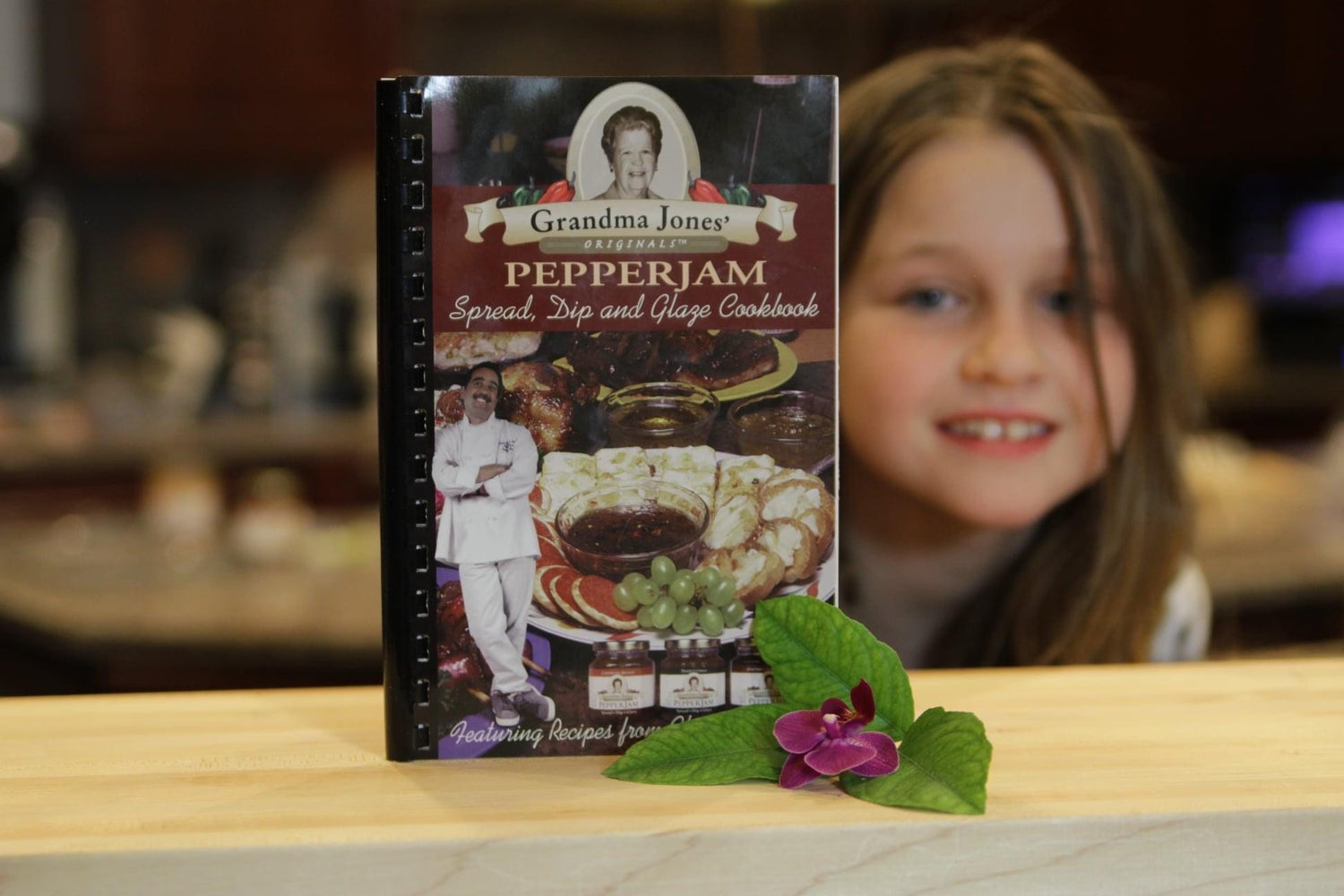
Something Unique. Incredibly Special.
Pepper Jam is a unique blend of sweet, sour, and spicy that can be served traditionally alongside cheese and crackers or be used as a gourmet spread, dip, or glaze to enhance any meal. Once you buy Pepper Jam you’ll likely end up purchasing it on a regular basis just like you would ketchup, salt and pepper, or steak sauce. It’s that diverse and delicious.