Peppers & Heat

Choose pepper jelly by both its flavor and its heat category. Smoky, fruity and hot describe different things: a smoky jelly is not automatically the hottest, and a fruit-forward name does not guarantee that a jelly is Mild.

This is the starting point for our pepper and heat guides. It connects flavor selection with explanations of individual peppers, practical kitchen handling and the difference between a pepper’s heat and the finished jelly.

Grandma Jones’ eight flavors by heat category

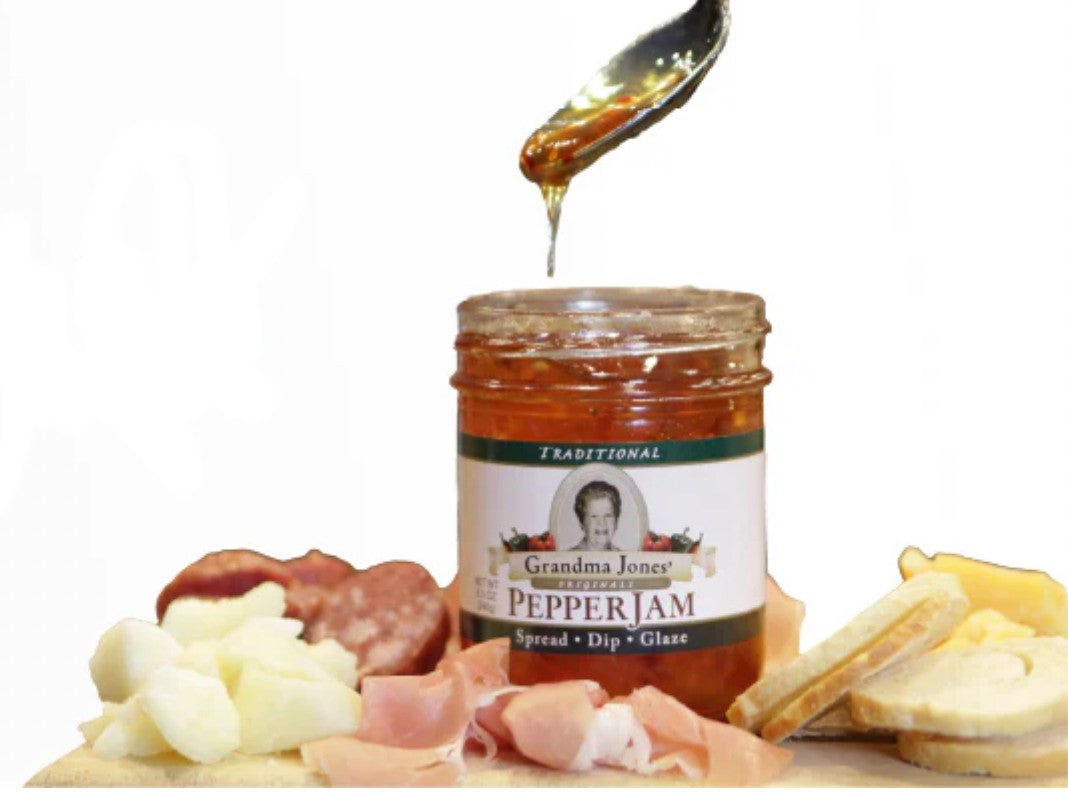
  • Mild: Traditional, Caribbean Mango, Cranberry and Pomegranate.
  • Medium: Jalapeño and Southwestern Chipotle.
  • Hot: Habanero and Cranberry Habanero.

These are qualitative product categories, not laboratory Scoville measurements. Cranberry and Cranberry Habanero belong to different heat categories, even though both names include cranberry. The amount of jelly and other spicy ingredients also affect a finished bite.

Use Find Your Flavor for food-and-flavor suggestions, or read the detailed Pepper Jelly Heat Guide before choosing a jar.

Understand the peppers and their flavors

  • Bell peppers — flavor, color and their role in jelly.
  • Jalapeños — pepper flavor, heat and kitchen uses.
  • Chipotle peppers — the smoky direction and how it differs from fresh jalapeño.
  • Habaneros — a hotter pepper with its own flavor character.

Those guides explain the ingredients generally; a pepper’s usual heat range should not be presented as a measured rating for a finished Grandma Jones product. For that distinction, read Understanding the Scoville Scale.

Use heat deliberately in the kitchen

When preparing fresh chiles, start with How to Handle Hot Peppers Safely. If a finished dish is too spicy, our guide to cooling down spicy food discusses adjustments. Adding more jelly is not a reliable way to reduce heat when that jelly is itself Hot.

For a Medium option, view Jalapeño Pepper Jelly. If you prefer another direction, browse Grandma Jones’ Pepper Jelly flavors and select the category that fits your meal and guests.

Compare ingredients for your recipe

Use the jalapeño–serrano comparison when choosing a fresh chile for salsa or sauce. For powders, whole pods and smoked ingredients, the fresh-versus-dried pepper guide explains texture and substitution limits. Raw-pepper heat ranges do not establish the heat of a finished jelly.

Compare raw peppers and finished pepper jelly separately

Read Habanero versus ghost pepper for the difference between ordinary hot peppers and superhot chiles, including why there is no reliable whole-pepper substitution ratio. A raw pepper’s SHU does not describe a finished jar. For the finished Medium condiment, the Jalapeño Pepper Jelly guide explains food pairings and how to start with a modest amount. Choose a product by its own description rather than transferring a raw-pepper number to the label.

Use flavor words separately from heat categories

Word What it helps describe What it does not establish
Vegetal or green A fresh pepper direction A particular finished-jar heat rating
Fruity A fruit-forward aroma or flavor impression That the food contains no hot pepper
Smoky A smoke-associated flavor direction That the product is hotter than a nonsmoky option
Tangy An acidic flavor impression A verified pH or safe canning formula
Sweet A perceived taste A measured sugar amount without the label

Use these words in personal notes without turning them into an invented numerical flavor wheel. Compare the finished food on the same base and read its product description separately from a raw-pepper ingredient guide.

A Secret Recipe Exclusively for Family and Friends

From her home on the corner of Seminary Place and Murray Street in Forty Fort, Pennsylvania Marcia Jones (Grandma Jones) hosted countless family gatherings, holiday dinners, and bridge club get-togethers with friends. While food was always plentiful and delicious, family and friends most looked forward to gaining exclusive access to a limited supply of Marcia’s cherished family recipe of “Pepper Jam.”
Buy Pepper Jelly

Something Unique. Incredibly Special.

Pepper Jam is a unique blend of sweet, sour, and spicy that can be served traditionally alongside cheese and crackers or be used as a gourmet spread, dip, or glaze to enhance any meal. Once you buy Pepper Jam you’ll likely end up purchasing it on a regular basis just like you would ketchup, salt and pepper, or steak sauce. It’s that diverse and delicious.

Buy Pepper Jelly

Going Global - QVC Pepper Jam Premier

In 1999 Marcia’s grandson’s – Richard Jones III (Penn Lake, PA) and Kristopher Jones (Shavertown, PA) decided to take their Grandmother’s recipe, bottle it up, and share it with the world via e-commerce. Kris’s role in the company was head of Internet marketing, while Rick was head of product development and manufacturing. The pepperjam.com website was launched in late 1999 and the company began taking orders.

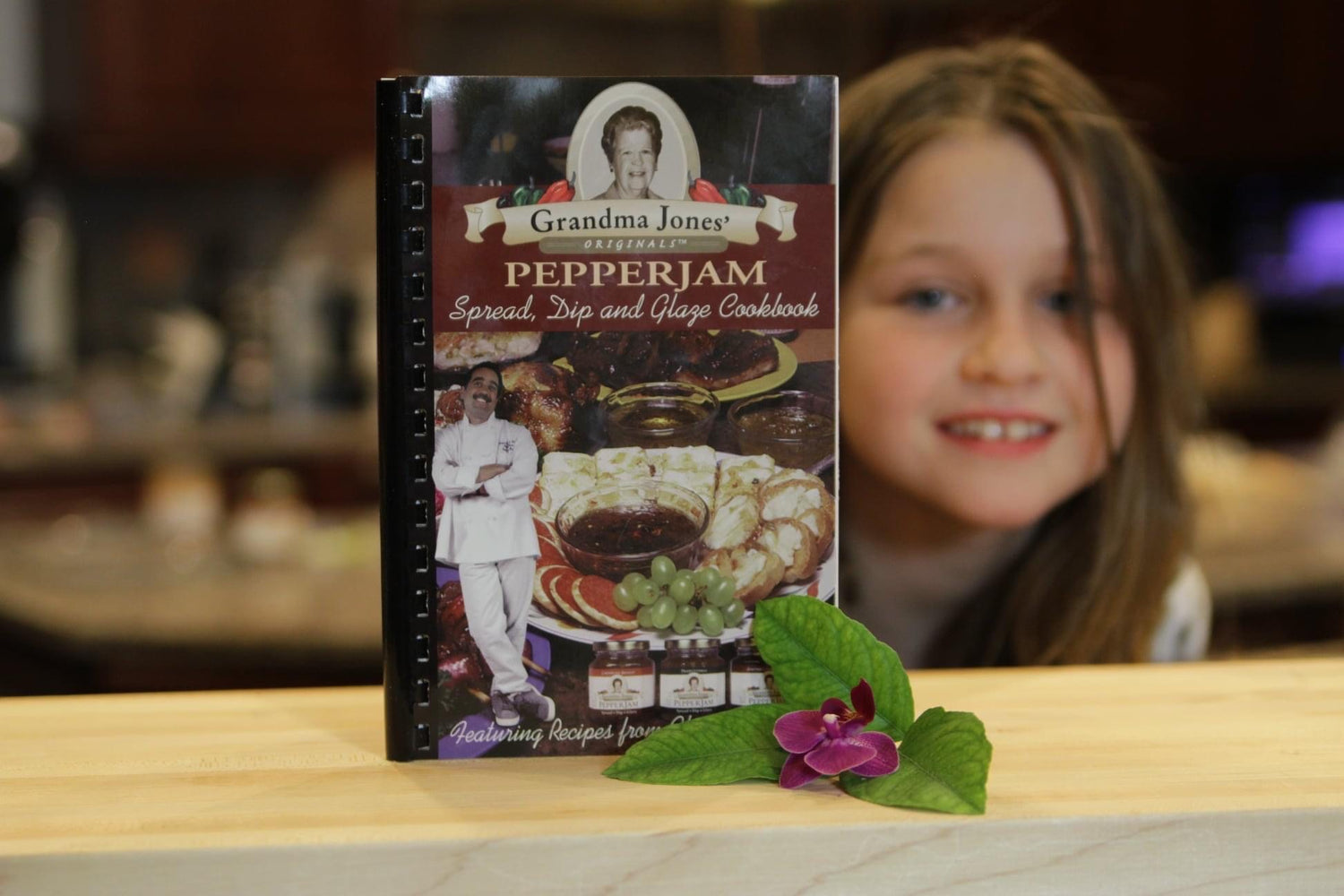
In early 2000 Rick, Kris, and their sister Jennifer attended the Fancy Food Gourmet Food Show in New York City where they met QVC Celebrity Chef Jorge Bruce. During that encounter Jennifer insisted Chef Jorge try Grandma Jones’ Pepper Jam. He loved it, which eventually led to Chef Jorge writing a 150+ recipe Pepper Jam cookbook and helping the company take Grandma Jones Pepper Jam on QVC.

As Kris remembers it, “Debuting Pepper Jam on QVC was surreal. It felt like we won a Super Bowl commercial. In less than 4 minutes we not only sold thousands of jars of product, but we affirmed that there is something very special about Grandma Jones Pepper Jam.”

Grandma Jones’ Pepper Jam continues to be sold online and at select brick and mortar locations throughout the United States.

It remains our pleasure to offer you limited access to our Grandmother’s cherished recipes.

Kristopher and Robyn Jones
Rick and Melanie Jones
Jennifer and Jonathan Runquist