
Pepper Jelly Canning & Storage: Safety, Shelf Life & Tips
Safely storing pepper jelly depends on how it was made. Commercial pepper jelly, properly processed home-canned pepper jelly, refrigerated homemade jelly, and freezer jelly all have different storage requirements.
The most important rule is simple: do not treat an untested homemade pepper jelly recipe as shelf-stable just because it contains sugar and vinegar. Peppers are low-acid vegetables, so shelf-stable home canning requires a research-tested recipe with the correct acid level and processing method.
At Grandma Jones' Pepper Jelly, preserving has always been part of the family story. But when we're giving home-canning advice, we follow modern research-based guidance from sources such as the National Center for Home Food Preservation and university extension programs.

Pepper Jelly Storage at a Glance
| Type of Pepper Jelly | Where to Store It | Important Note |
|---|---|---|
| Unopened commercial pepper jelly | Follow the manufacturer's label | Commercial products may use formulations and processes that differ from home recipes. |
| Opened commercial pepper jelly | Follow the manufacturer's label; refrigeration is common | Use clean utensils and keep the jar covered. |
| Properly home-canned pepper jelly | Cool, dark, dry pantry while sealed | Only if made and processed using a research-tested canning recipe. |
| Opened home-canned pepper jelly | Refrigerator | NCHFP recommends refrigeration at 40°F or below after opening. |
| Refrigerator pepper jelly | Refrigerator | It is not shelf-stable simply because it was placed in a jar. |
| Freezer jelly | Freezer, then refrigerator after thawing | Follow the specific pectin or tested recipe instructions. |
Can Pepper Jelly Be Canned?
Yes—but only when you use a research-tested recipe specifically designed for home canning.
Peppers are low-acid foods. A tested pepper-jelly recipe uses a carefully established amount of acid—typically vinegar—along with specific ingredient quantities and processing instructions to make boiling-water canning appropriate.
The National Center for Home Food Preservation publishes a tested Golden Pepper Jelly recipe developed at the University of Georgia.
Its formula combines:
- Sweet peppers
- Hot peppers
- 5% acidity vinegar
- Sugar
- Liquid pectin
The National Center specifically states that the vinegar makes the low-acid peppers safe for boiling-water canning and that the amount of vinegar should not be reduced.
You can view the complete tested recipe here: NCHFP Golden Pepper Jelly.
Why You Shouldn't Improvise a Canning Recipe
Cooking is often flexible.
Home canning is different.
Adding extra peppers, onions, garlic, fruit, or other low-acid ingredients can change the acidity and composition of a recipe.
Likewise, reducing vinegar or changing ingredient proportions can affect both safety and the way the jelly sets.
That's why the safest approach is:
- Use a research-tested canning recipe.
- Follow its ingredient quantities.
- Use the vinegar acidity specified.
- Follow the recommended jar size.
- Follow the correct processing time for your elevation.
If you want to experiment freely with peppers, fruit, sweetness, or seasonings, make a refrigerated version rather than assuming the altered recipe remains safe for shelf-stable canning.
Can You Substitute Different Peppers?
Sometimes—but only when the tested recipe specifically allows it.
The NCHFP Golden Pepper Jelly recipe says that other colors of sweet peppers can replace the yellow sweet peppers and that other hot peppers can replace the Serrano peppers.
That gives you room to change color and chile character while keeping the tested ingredient quantities intact.
For example, using red sweet peppers can create a red pepper jelly while following the same tested formulation.
What you should not do is simply increase the total quantity of peppers because you want more pepper flavor.
Read our Red Pepper Jelly Guide for more about red-pepper versions.
Why Vinegar Matters in Pepper Jelly
Vinegar does several jobs in pepper jelly.
- It provides the tang that balances the sugar.
- It helps create the acidic conditions required by traditional jelly formulations.
- In a tested home-canning recipe, it helps make low-acid peppers appropriate for boiling-water processing.
That last point is why vinegar should never be reduced just because the finished jelly tastes too tangy for your preference.
If you want a different flavor balance, choose another tested recipe rather than altering the acid in one that was designed for canning.
Do You Need to Sterilize Pepper Jelly Jars?
That depends on the processing time specified by the tested recipe.
In the NCHFP Golden Pepper Jelly recipe, half-pint jars processed for only five minutes at lower elevations must be pre-sterilized.
NCHFP also provides an optional 10-minute boiling-water process. When that longer process is used, the jars do not need to be pre-sterilized, although they should still be washed, rinsed, and kept hot before filling.
This is another reason to follow the exact tested recipe rather than applying a universal rule to every jar of jelly.
Pepper Jelly Canning Times by Elevation
Boiling-water canning times change as elevation increases because water boils at a lower temperature at higher elevations.
For NCHFP's tested Golden Pepper Jelly in half-pint jars, the standard processing schedule is:
| Elevation | Processing Time |
|---|---|
| 0–1,000 feet | 5 minutes |
| 1,001–6,000 feet | 10 minutes |
| Above 6,000 feet | 15 minutes |
NCHFP also provides an optional longer process:
| Elevation | Optional Processing Time |
|---|---|
| 0–1,000 feet | 10 minutes |
| 1,001–6,000 feet | 15 minutes |
| Above 6,000 feet | 20 minutes |
These times apply specifically to the NCHFP Golden Pepper Jelly recipe in half-pint jars. Do not automatically apply them to a different pepper jelly formulation.
How Much Headspace Does Pepper Jelly Need?
Headspace is the space between the top of the food and the lid.
For NCHFP's tested Golden Pepper Jelly recipe, the specified headspace is 1/4 inch.
Correct headspace helps allow air to escape during processing and contributes to proper vacuum-seal formation as the jars cool.
Again, follow the headspace specified by the tested recipe you're using rather than assuming every canned food requires the same amount.
What Happens After the Jars Come Out of the Canner?
Once properly processed jars are removed from the canner, they should be placed upright on a towel or rack and allowed to cool undisturbed.
NCHFP recommends allowing processed pepper-jelly jars to cool for approximately 12 to 24 hours before checking the seals.
Avoid tightening lids, turning jars upside down, or repeatedly pressing on them while they cool.
How Do You Know Whether a Jar Sealed?
After the jars have cooled, check that each lid has formed a vacuum seal.
A properly sealed lid should be concave and should not flex up and down when pressed in the center.
If a jar does not seal, it should not simply be placed in the pantry and treated as shelf-stable.
Follow current research-based instructions for reprocessing or refrigerate the jar and use it as a refrigerated product.
How Should Home-Canned Pepper Jelly Be Stored?
Properly processed and sealed jars should be kept in a:
- Cool location
- Dry location
- Dark location
- Place away from direct sunlight and heat
Penn State Extension recommends storing home-canned goods around 40°F to 70°F when practical and avoiding temperatures above 90°F.
Heat and light can accelerate changes in color, texture, and flavor even when the jar remains sealed.
How Long Does Home-Canned Pepper Jelly Last?
There are two different questions here: safety and quality.
Penn State Extension notes that properly home-canned foods generally maintain their best quality for about one year. Foods processed according to USDA-based recommendations may remain safe longer while the seal remains intact, but quality gradually declines.
For practical pantry management, date your jars and use the oldest jars first.
If a jar has lost its seal or shows signs of spoilage, do not use it simply because it is less than a year old.
Does Pepper Jelly Need to Be Refrigerated?
It depends on the product.
Properly Home-Canned and Unopened
No refrigeration is needed while a properly processed jar remains sealed. Store it in a cool, dark, dry pantry.
Opened Home-Canned Pepper Jelly
Yes. NCHFP recommends refrigerating opened home-canned jams and jellies at 40°F or below.
Refrigerator Pepper Jelly
Yes. A homemade pepper jelly recipe that has not been processed using a tested canning procedure should remain refrigerated.
Commercial Pepper Jelly
Follow the storage instructions on the manufacturer's label. Commercial manufacturing processes and formulations may differ significantly from home canning.
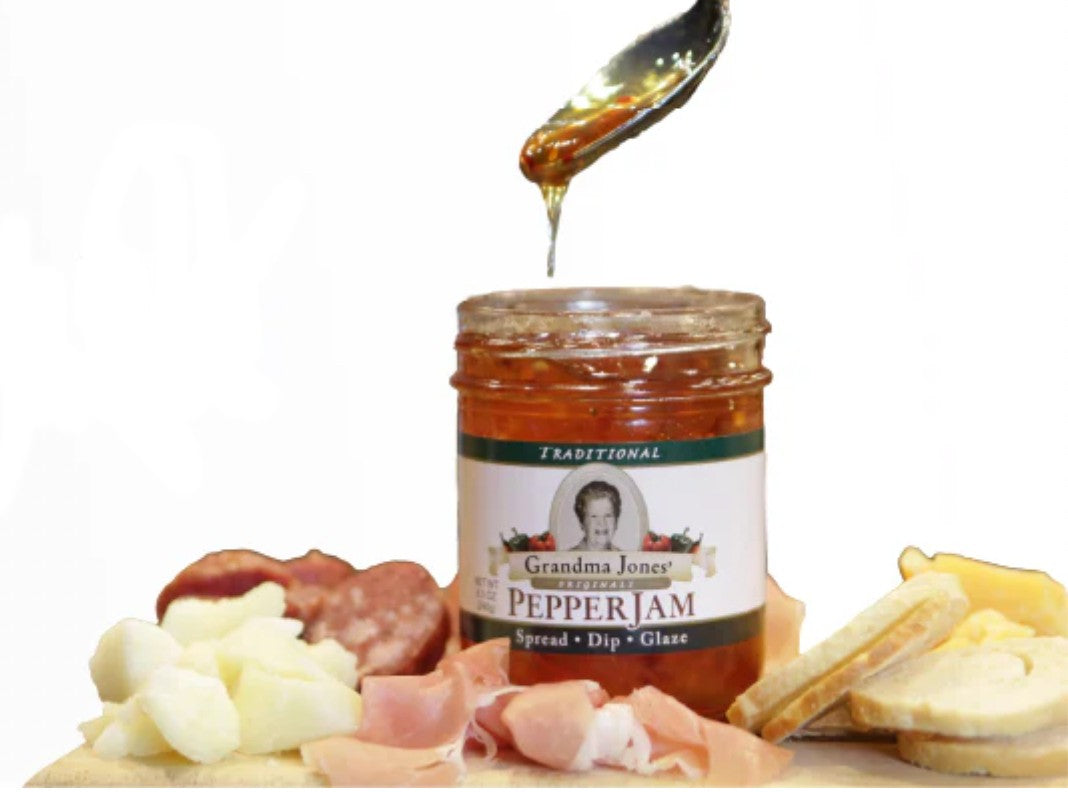
How Long Does Opened Homemade Pepper Jelly Last in the Refrigerator?
NCHFP says regular full-sugar, cooked home-canned jams and jellies are generally best used within about one month after opening when refrigerated at 40°F or below.
The actual usable time can vary depending on the formulation and how the jar is handled.
Repeatedly leaving the jar at room temperature or introducing crumbs, cheese, meat, or other food with a used utensil can shorten its useful life.
For the best results:
- Use a clean spoon or knife every time.
- Return the jar to the refrigerator promptly.
- Keep the lid tightly closed.
- Check for signs of spoilage before each use.
Can Pepper Jelly Be Frozen?
Yes, pepper jelly can be made specifically as a refrigerator or freezer product.
But freezer or refrigerator recipes should be treated as their own category rather than as canned jelly that simply skipped the canning step.
Commercial pectin manufacturers and university extension programs publish recipes specifically formulated for refrigerator and freezer storage.
Follow the directions for the specific recipe and pectin product you're using, including how long the jelly should stand before refrigeration or freezing.
Can You Freeze an Open Jar of Pepper Jelly?
Freezing can be an option when the container is suitable for freezing and there is enough expansion space.
However, texture may change somewhat after freezing and thawing.
If you're making jelly specifically for freezer storage, using a recipe designed as freezer jelly gives you more predictable results than freezing an arbitrary canned recipe after the fact.
How Can You Tell if Pepper Jelly Has Gone Bad?
Do not taste questionable canned food to decide whether it is safe.
Signs that a jar should be discarded include:
- A broken or lost seal
- Visible mold
- Unusual fermentation
- Off odors
- Unexpected bubbling or foaming
- Leaking
- A bulging lid
- Other obvious signs of spoilage
NCHFP specifically recommends checking opened jams and jellies for molds, yeasts, and off odors, including fermented or alcoholic smells.
When in doubt, discard the product rather than tasting it.
Can You Scrape Mold Off Pepper Jelly?
No.
If mold develops on jam or jelly, the safest approach is to discard the entire container rather than removing the visible mold and eating what remains.
The contamination may extend beyond what you can see on the surface.
Why Pepper Jelly Sometimes Doesn't Set
Storage and canning questions often overlap with another common problem: jelly that stays runny.
Jelly structure depends on the correct relationship among:
- Pectin
- Sugar
- Acid
- Liquid
- Cooking conditions
Common causes of a weak set can include incorrect ingredient ratios, using the wrong type of pectin, improper cooking, or changing the recipe.
This is another reason reducing sugar in a conventional jelly recipe isn't always a simple substitution.
Learn more in our Science of Pepper Jelly guide.
What About Sugar-Free or Low-Sugar Pepper Jelly?
Traditional pectin recipes generally depend on substantial sugar for proper gel formation.
Low- and no-sugar pectins use different chemistry and should be paired with recipes designed specifically for those products.
Do not simply remove most of the sugar from a traditional canning recipe and assume the texture or preservation characteristics will remain the same.
See our Sugar-Free Pepper Jelly Guide for a deeper explanation.
Can You Double a Pepper Jelly Recipe?
It's usually better not to double jelly recipes unless the tested recipe or pectin manufacturer specifically says you can.
Larger batches can heat and evaporate differently, which can interfere with proper gel formation.
If you want twice as much jelly, making two separate batches is generally more predictable than doubling everything in one large pot.
Home-Canned vs. Refrigerator Pepper Jelly
| Home-Canned Pepper Jelly | Refrigerator Pepper Jelly |
|---|---|
| Requires a tested shelf-stable recipe | Allows more experimentation |
| Requires proper canning procedure | No boiling-water processing required for refrigerator storage |
| Can be stored in the pantry while sealed | Must remain refrigerated |
| Ingredient quantities should not be casually altered | Flavor changes are more flexible |
| Opened jars require refrigeration | Already refrigerated |
Want to Make Pepper Jelly at Home?
We've separated our recipe guidance into two clear paths.
If you want to make the Grandma Jones family-style homemade version for refrigerated storage, start here:
Grandma Jones' Homemade Pepper Jelly Recipe
If you want to make shelf-stable home-canned pepper jelly, use a research-tested canning recipe such as:
Those are intentionally different paths because refrigerator jelly and shelf-stable canned jelly should not be treated as interchangeable.
Frequently Asked Questions About Pepper Jelly Storage
Does unopened pepper jelly need refrigeration?
Properly processed and sealed home-canned pepper jelly can be stored in a cool, dark, dry pantry. Commercial pepper jelly should be stored according to the manufacturer's instructions.
Does pepper jelly need refrigeration after opening?
Opened home-canned pepper jelly should be refrigerated at 40°F or below. For commercial products, follow the label instructions.
How long does home-canned pepper jelly last?
Properly home-canned foods generally maintain their best quality for about one year. Date jars, store them under good conditions, and use older jars first.
How long does opened homemade pepper jelly last?
NCHFP says regular full-sugar cooked home-canned jams and jellies are best stored for about one month in the refrigerator after opening.
Can I leave homemade pepper jelly on the counter?
Only properly processed shelf-stable canned jelly can be stored unrefrigerated while sealed. Refrigerator-style homemade pepper jelly should remain refrigerated.
Can I change the peppers in a canning recipe?
Only make substitutions specifically allowed by the tested recipe. NCHFP's Golden Pepper Jelly allows other colors of sweet peppers and other hot peppers to be substituted while keeping the specified quantities intact.
Can I reduce the vinegar?
Not in the NCHFP tested Golden Pepper Jelly recipe. The vinegar is part of what makes the low-acid peppers safe for boiling-water processing, and NCHFP specifically instructs users not to reduce it.
Can I use quart jars instead of half-pints?
Use the jar size specified by the tested recipe. NCHFP's Golden Pepper Jelly process is developed for half-pint jars. Do not assume the same processing time applies to larger jars.
What should I do if a jar doesn't seal?
Do not store an unsealed jar at room temperature. Follow current research-based instructions for reprocessing or refrigerate it and treat it as a refrigerated product.
Should I store home-canned jars with the screw bands on?
After the jars have cooled and the seals have been checked, follow current home-canning guidance for storage. Keeping jars clean, dry, labeled, dated, and easy to inspect makes it easier to notice a failed seal or other problem.
Preserving Pepper Jelly the Right Way
Making pepper jelly is fun because there's so much room for creativity in flavor.
Preserving it for room-temperature storage is where creativity needs to give way to tested science.
Use tested recipes for canning. Keep refrigerator recipes refrigerated. Follow commercial labels for purchased products. And never assume that sugar, vinegar, or a sealed-looking lid automatically makes a homemade recipe shelf-stable.
That's the distinction we want every Grandma Jones reader to understand.
Continue with our Homemade Pepper Jelly Recipe, Red Pepper Jelly Guide, or Science of Pepper Jelly.
Sources
A Secret Recipe Exclusively for Family and Friends
From her home on the corner of Seminary Place and Murray Street in Forty Fort, Pennsylvania Marcia Jones (Grandma Jones) hosted countless family gatherings, holiday dinners, and bridge club get-togethers with friends. While food was always plentiful and delicious, family and friends most looked forward to gaining exclusive access to a limited supply of Marcia’s cherished family recipe of “Pepper Jam.”
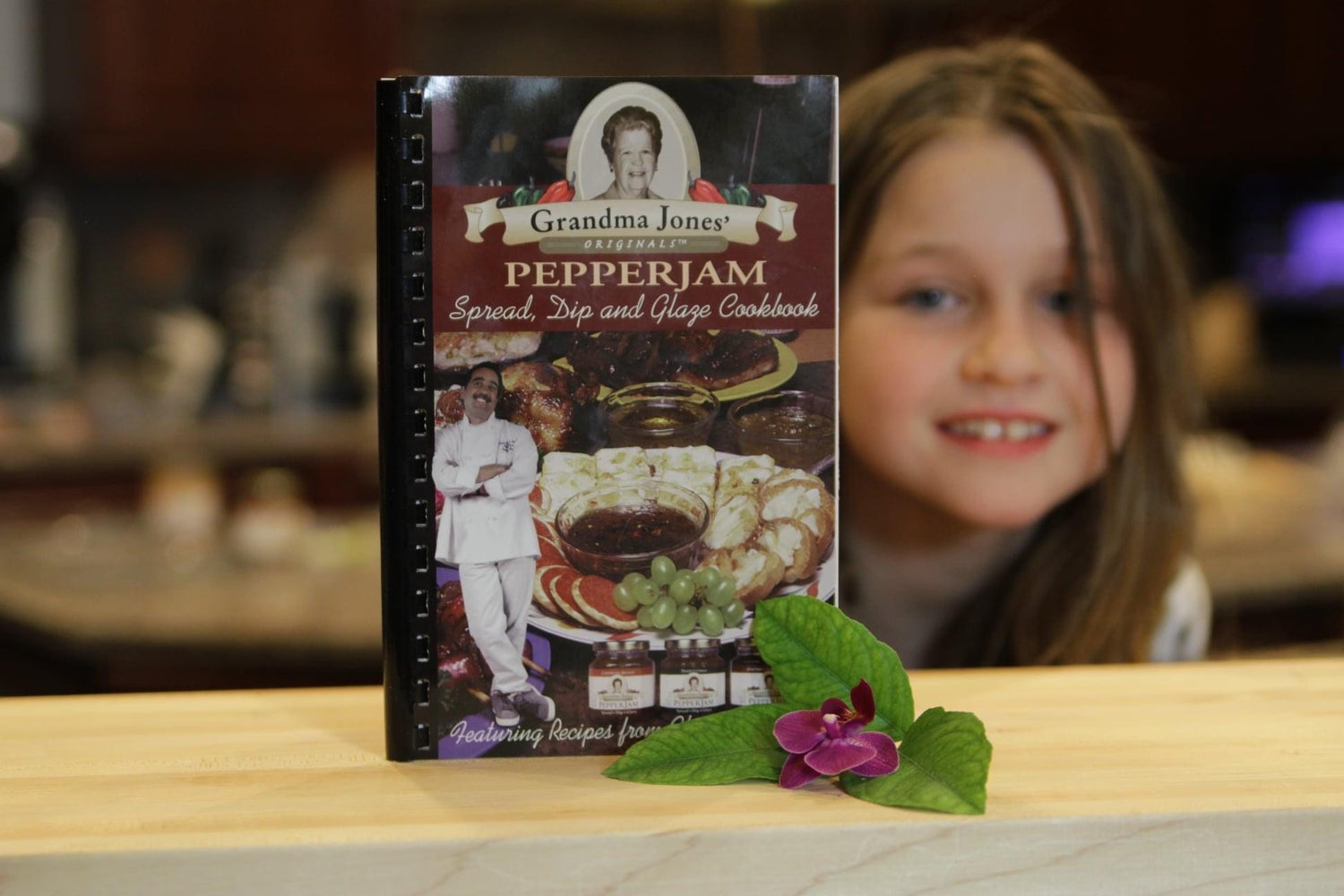
Something Unique. Incredibly Special.
Pepper Jam is a unique blend of sweet, sour, and spicy that can be served traditionally alongside cheese and crackers or be used as a gourmet spread, dip, or glaze to enhance any meal. Once you buy Pepper Jam you’ll likely end up purchasing it on a regular basis just like you would ketchup, salt and pepper, or steak sauce. It’s that diverse and delicious.